L–R: Ademola Ogundeyi, Group Head, ESG, Bank of Industry (BOI); Victoria Uwadoka, Corporate Communications, Public Affairs and Sustainability Lead, Nestlé Nigeria PLC; Victor Banjo, Director of Executive Education, Lagos Business School; and Jonathan Ikeolumba, Doctoral Fellow, Lagos Business School Sustainability Centre (LBSSC).
The 2025 edition of the International Sustainability Conference (ISC), convened by the Lagos Business School Sustainability Centre (LBSSC), in partnership with leading global organisations, brought together experts, industry leaders, policymakers, academics, and investors to explore Africa’s green economic promise and the continent’s opportunities for sustainable, inclusive growth.
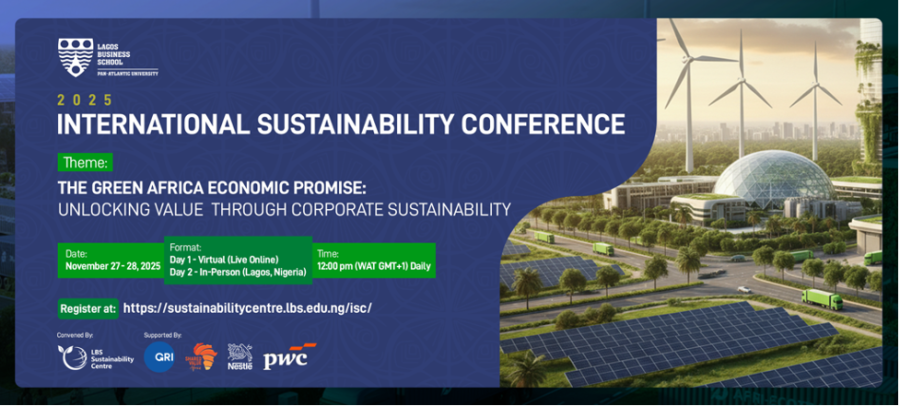
Held across two days, a virtual session on Day One and an in-person gathering on Day Two, the conference advanced the year’s theme: “The Green Africa Economic Promise: Unlocking Value Through Corporate Sustainability.” The event deepened dialogue on how African businesses, governments, and development actors can lead Africa’s green energy and economic transition, strengthen climate resilience, and accelerate responsible growth.Over the two-day convening, speakers and participants examined topics including sustainable finance, traceability, energy transitions, corporate governance for sustainability, circularity, climate-smart industrialisation, carbon markets, and the evolving ESG regulatory landscape. The conference featured a keynote, panel sessions, partner presentations, interactive breakout sessions, and a robust Q&A designed to translate sustainability principles into practical pathways for action.
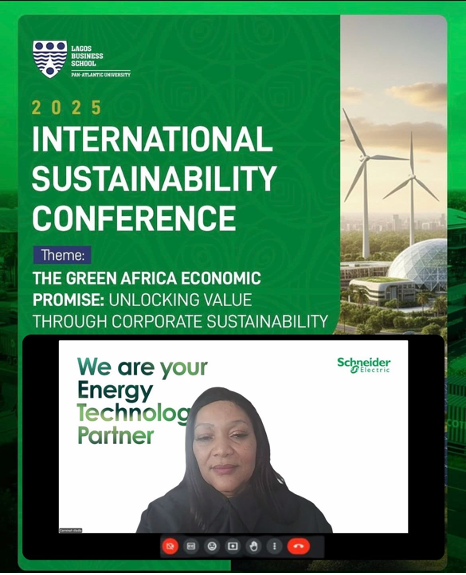
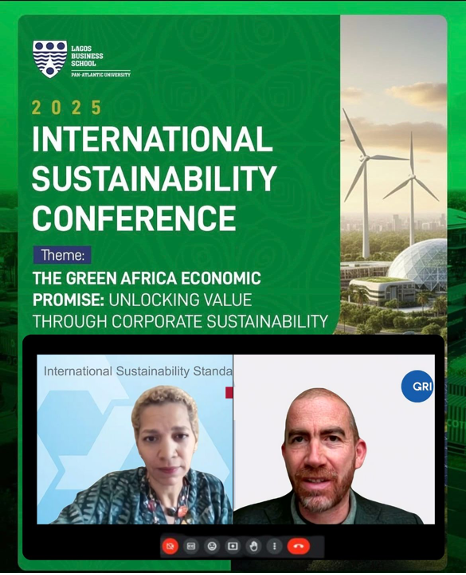
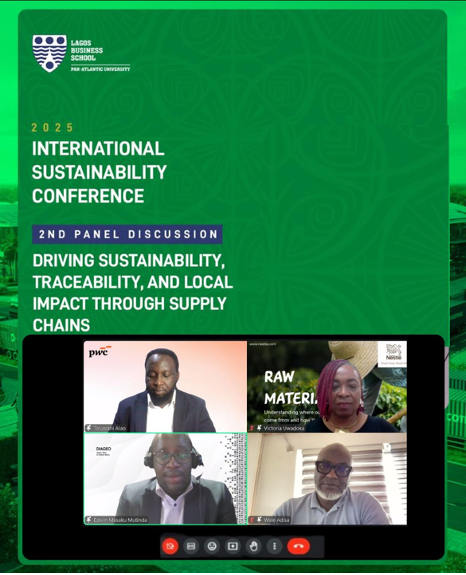
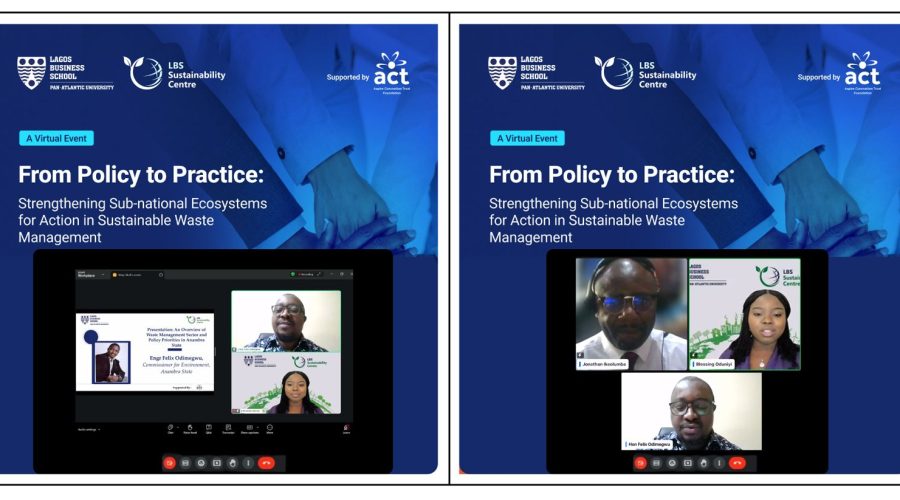
Day 1 of the convening, which was virtual, brought together regional and global thought leaders, including Canninah Dladla, Dr Ndidi Nnoli-Edozien, Bastian Buck, Ejiro Gray, Dr James Adenuga, Victoria Uwadoka, Wale Adisa and others who shared perspectives across varying subject matter areas. Speakers explored how Africa can unlock the value of its natural and green capital, strengthen accountability and transparency in supply chains, adopt globally aligned sustainability standards, and leverage finance for a green and inclusive economic transition.
Discussions underscored that Africa is not merely part of the global sustainability conversation; it is shaping it. Speakers highlighted emerging opportunities across green manufacturing, clean energy, regenerative agriculture, digital innovation, and cross-border value chains. They emphasised that for Africa to capture these opportunities, corporate sustainability must move from aspiration to strategy, from pilots to scale, and from reporting to real impact.
Canninah Dladla, Cluster President, Anglophone Africa, Schneider Electric, delivered the keynote address. She said, “Africa contributes less than 4% of global emissions yet holds some of the world’s biggest opportunities, including 30% of global mineral reserves, 60% of uncultivated arable land, and one of the youngest workforces globally. She argued that if sustainability is positioned as a growth engine, Africa will not only join the green transition but lead it.” She added, “… policy builds confidence, confidence attracts capital, and capital accelerates transition, making sustainability Africa’s next industrial revolution.”
The second day of the conference opened with welcome remarks from Mr Victor Banjo, Director of Executive Education at Lagos Business School. He reaffirmed the School’s commitment to fostering thought leadership and strengthening Africa’s competitiveness through sustainability-driven management practices.
This was followed by partner remarks from PwC Nigeria, Nestlé Nigeria, and the Lagos State Office of Climate Change and Circular Economy. The day also featured an insight presentation by Eniola Akinsete, Chief Sustainability Officer, Bank of Industry, on “Accelerating Green and Climate Smart Industrialisation in Africa: The BOI Impact through Finance and Digitisation in Nigeria,” and a case presentation from MTN Nigeria on “Navigating ESG Disclosures: Lessons from Early Adopters of the IFRS S1 and S2 Standards in Nigeria with a lens on the Telecommunication Industry: The Experience of MTN Nigeria Communications Plc” by Temilade Olabanji, Senior Manager, Sustainability and Shared Value, MTN Nigeria.
BOI’s presentation showcased how Nigerian manufacturers, particularly those in agro-processing, steel, food and beverage, and textiles, can transition to low-carbon models with the support of sustainable finance, technology, and ESG capacity building, while MTN’s presentation offered practical lessons on integrating global sustainability standards, building internal capacity, and improving the quality and transparency of disclosures.
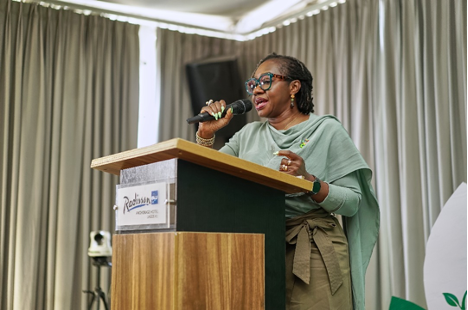
Titilayo Oshodi, Special Adviser on Climate Change and Circular Economy to the Governor of Lagos State, delivering her remarks.
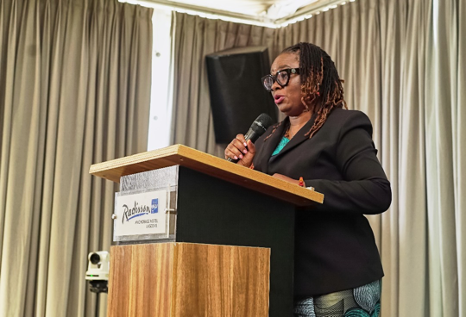
Marilyn Obaisa-Osula, Partner, Sustainability and Climate Change Services, PwC Nigeria, delivering her remarks
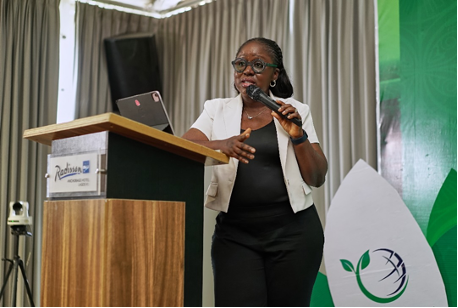
Eniola Akinsete, Chief Sustainability Officer, Bank of Industry, delivering her Insight presentation.
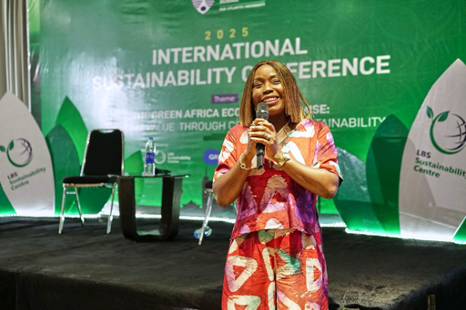
Temilade Olabanji, Snr Mgr, Sustainability and Share Value, MTN Nigeria delivering her case presentation
A panel comprising Shakira Mustapha, Chief Risk and Sustainability Officer, Julius Berger Nigeria, Ademola Ogundeyi, Group Head, ESG, Bank of Industry, Nigeria and moderated by Jonathan Ikeolumba, Doctoral Researcher, Lagos Business School Sustainability Centre, further explored Africa’s climate-smart industrialisation pathway. Panellists highlighted innovations such as material reuse, prefabrication, hydrogen-based steel production, circular design, and solar deployment as key and economically viable for sustainable operations for African industries.
An interactive plenary session allowed participants to reflect on insights from both conference days. Participants emphasised that Africa’s transition requires not only large corporates but also youth innovators, micro-enterprises, rural communities, and state actors working together. In her closing remarks, Theresa Daniel-Akibor, Manager, Lagos Business School Sustainability Centre, emphasised that the ISC is not merely an annual gathering, but a platform for catalysing long-term collaboration, knowledge translation, and systems change. She highlighted the Centre’s commitment to transforming insights from the conference into research, tools, and programmes that support organisations on their sustainability journeys.
About Lagos Business School Sustainability Centre
Lagos Business School is Africa’s leading management education institution and the LBS Sustainability Centre is a leading knowledge centre that brings together the theory and practice on business and sustainability for the advancement of performance and development outcomes. For more information about the initiatives and upcoming events of the Lagos Business School Sustainability Centre, please contact sustainabilitycentre@lbs.edu.ng. Together we can work towards a sustainable future for businesses and communities on the continent. For more information on our programmes, visit: https://sustainabilitycentre.lbs.edu.ng/training/
Click here to view the Proceedings on Day 1 and Day 2.